While therapy is often the most effective way to get help, there are also simple exercises you can do on your own to improve your mental health in your day-to-day life.
Below, you’ll find a set of simple practices designed to help reduce stress, boost your mood, deepen self-awareness, and support your mental and emotional well-being.
Relaxation exercises: calming the body to soothe the mind
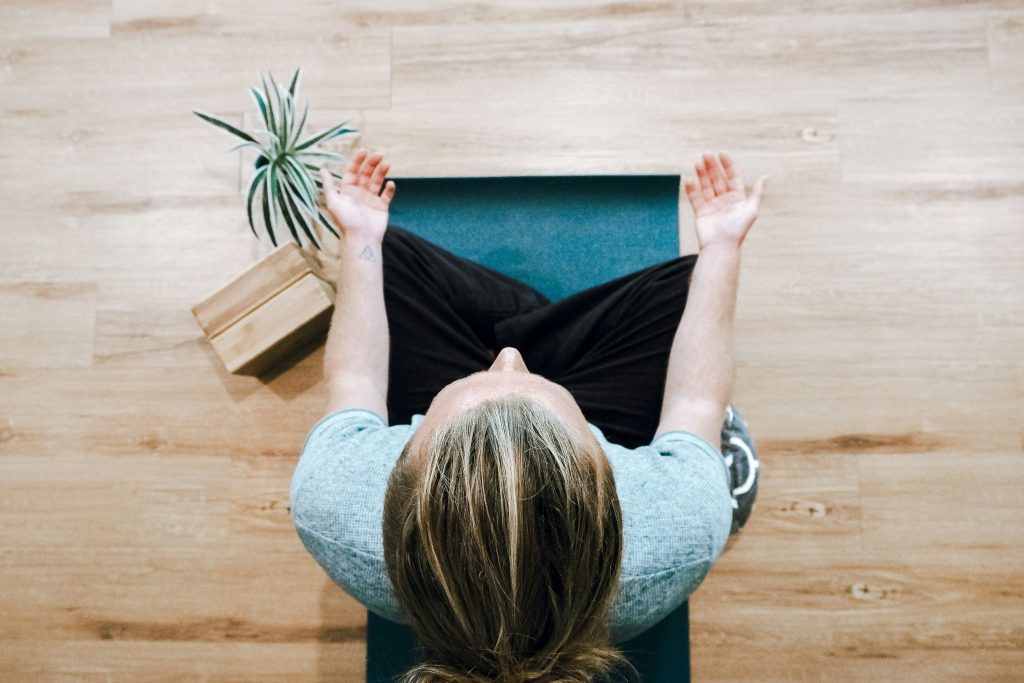
When you feel stressed, your body naturally switches into ‘alert mode’. Your heart races, your muscles tighten, and your breathing speeds up. This fight-or-flight response is helpful in emergencies, but can make everyday stress feel overwhelming.
The good news is that your body has a calming system that can slow your heartbeat, ease tension, and restore balance. Relaxation exercises are designed to turn this system on.
Deep belly breathing (4-2-6)
In stressful moments, many people breathe quickly and shallowly—or even hold their breath without realizing it. This can leave you feeling lightheaded, tense, and on edge, which only adds to stress.
Deep belly breathing reverses this pattern. Breathe in slowly through your nose for four seconds, hold gently for two, and exhale slowly for six.
Breathing this way signals safety to your body, steadies your heart rate, and slows racing thoughts. Try it before a big meeting, in traffic, or at bedtime to help you unwind.
Progressive muscle relaxation
This technique helps you notice and release hidden tension. Begin at your feet: gently tense the muscles for 5-10 seconds, then release. Pay attention to the difference between tension and relaxation.
Move upward through your calves, thighs, stomach, shoulders, and face. With practice, you train your body to relax on command. This is especially useful if you carry stress in your shoulders, clench your jaw, or get tension headaches.
Grounding with the five senses
Grounding brings your attention back to the present moment and prevents overwhelming emotions from taking over.
One of the easiest grounding methods is to note down what your senses are experiencing:
- 5 things you can see (e.g., a book on the table, a tree outside, your shoes)
- 4 things you can touch (e.g., your chair, your hands, the floor, a pen)
- 3 things you can hear (e.g., birds outside, traffic, your own breathing)
- 2 things you can smell (e.g., coffee, soap)
- 1 thing you can taste (e.g., a sip of water, a mint)
The simple shift of focus interrupts racing thoughts and anchors you in the here and now.
Mindfulness and thought exercises
Body scan meditation
The body scan is a mindfulness technique that helps you relax by paying gentle attention to physical sensations from head to toe.
It’s a way of checking in with your body, noticing tension or discomfort you are feeling.
First, sit or lie down somewhere quiet.
Start with your toes and slowly move your focus upward—feet, legs, stomach, shoulders, and face—pausing at each area. Notice what you feel: warmth, tightness, tingling, or ease.
This practice promotes relaxation, reduces stress, and helps you feel more connected to your body.
Thought record
A thought record helps you evaluate negative thoughts and come up with alternative, more balanced perspectives.
Start by writing about a stressful situation and the automatic thought that popped up (e.g., “If I make a mistake at work, I’ll be fired”). Next, jot down the emotions you felt, then list evidence for and against that thought.
Finally, create a more balanced version (e.g., “Everyone makes mistakes sometimes, and one slip doesn’t erase my good work”). This exercise helps shift rigid, anxious thinking toward a calmer, more realistic outlook.
Gratitude list
Stress often pulls attention toward what’s missing or what went wrong, leaving little room for appreciation.
A gratitude list interrupts this ungrateful cycle and redirects your focus to what’s going right. Each day, write down three things you’re thankful for—big or small.
It could be “a good cup of coffee”, “a kind text from a friend”, or “the sound of rain”.
Over time, this daily habit trains your brain to notice positives instead of only focusing on problems. Gratitude lists can help lift mood, improve relationships, and build a more hopeful outlook.
Everyday coping exercises
When stress builds, it’s easy to get pulled off track by emotions or distractions. Everyday coping exercises help you steady yourself, refocus, and respond in ways that support your goals.
Journaling, for example, has been shown to reduce stress, lift your mood, boost self-esteem, and even help you process difficult experiences.
These small practices may look simple, but with regular use, they can make a big difference in how you handle daily challenges.
Mood journaling
Keeping a mood journal helps you improve self-awareness and understand your emotional patterns. It can also make it easier to sort through complex emotions that feel confusing or overwhelming.
Take a few minutes each day to jot down what happened, how you felt, and how you reacted. For example: “Meeting at work → felt anxious → skipped lunch.”
Over time, this record shows what situations affect you most and gives you a clearer picture of how your emotions connect to your choices. This awareness is the first step toward change.
STOP technique
When strong emotions arise, it’s easy to react on autopilot—snapping, shutting down, or saying something you’ll regret.
Use the STOP method to manage intense emotions. It helps you pause before reacting and choose a calmer response:
- Stop: pause what you’re doing. Don’t act right away.
- Take a step back: breathe deeply or step away from the situation.
- Observe: notice how you’re feeling, what you’re thinking, and what’s happening around you. Ask: “What am I feeling right now? What’s really going on here?”
- Proceed mindfully: move forward with more awareness. Ask: “What would be the most helpful way to respond?”
This quick reset helps you handle stress with more clarity and control.
Small, clear goals
Big tasks can feel overwhelming, which often leads to procrastination or frustration. Breaking goals into smaller steps makes them more manageable and less stressful.
A helpful way to do this is the SMART method:
- Specific: be clear about what you want to do (e.g., “Go for a 10-minute walk” instead of “exercise more”).
- Measurable: make sure you can track progress (check off something from a list when completed).
- Achievable: choose something realistic for your current energy and schedule.
- Relevant: pick a goal that matters to you.
- Time-bound: set a simple time frame (e.g., “before lunch” or “today”).
Writing goals this way makes them feel less intimidating. Keep your objectives visible (maybe using the notes app on your phone) and use short, encouraging self-talk (“One thing at a time”) to stay on track. Each SMART step builds confidence and momentum.